
Lies, Damned lies & Statistics
Have you ever heard this phrase? “Lies, damned lies & statistics”.
Feels pretty evocative right? But it’s not a well known phrase in my experience.
I ask it as my “unique” question at the end of every interview I’ve ever conducted. Without fail no interviewee has ever heard of it, but that’s okay. I’m never bothered whether they’ve come across it before, I want to see what they make of it, I want to see how they think, and I want to see if they’re able to interpret the moral implications of the phrase.
…and I think that’s what I would ask you to reflect on when reading this blog. Especially if you work with numbers, what does this phrase mean to you? particularly in the context of the work you do.
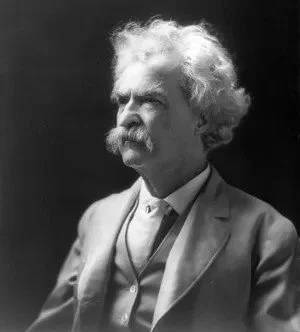
American novelist, Mark Twain
Credited for popularising the phrase “Lies, damned lies & statistics”
From what I can tell, Mark Twain’s contribution to this phrase starts and ends with popularising it. He really only used it to express how “beguiled” he felt by numbers when looking at the varying rates at which he wrote over the years. But that’s okay, it nonetheless brings it to our doorstep to consider which I am certainly grateful for.
Lies, Damned lies & Statistics.
For me this phrase has been both a founding and continually guiding principle in my career. You’ll often meet people that understand (rightly so) that the ability to communicate data is as important as the actual data. However, the temptation to unbalance this relationship in pursuit of a punchy story can be strong. I have seen it happen many, many times and you’ll know it’s coming when you hear phrases like “creative accounting/analysis”, “putting our best statistical foot forward”, “what the client wants to see” and many others.
I think this is where the phrase shines. Once revealed, lies and damned lies are usually plain to see - ah yes of course that wasn’t true. But with statistics it’s different, you can be staring at raw data that shows you some genuine truth but is also a big fat deception, and that’s what this phrase really digs at for me.
Lying is a creative endeavour.
Here are some common ways people may use genuine truth within your data in a not so truthful way.





Some would consider including all seven of these as a rather strict definition of a lie - that’s when those phrases will start coming back; something like “it’s just good business strategy”. Quite plainly I don’t care, and no it’s not actually a good business strategy.
Lies, Damned lies and Statistics at its core is a condemnation of how easily data can be used to sell a lie whilst still technically telling some truth. The above exemplifies how that might be done. The reason I believe it’s not a good business strategy to waiver on holding this strict line is that if you do waiver things won’t work out for you in the long term.
I’ve seen this happen, people will pinch and tweak the truth of their data in ways that they feel are justifiable to meet external goals and pressure. The results look great, then the pressure increases for even better results, so they pinch and tweak again. Then rinse and repeat until you end up with data that looks nothing like what you started with.
However, the data still looks great from the outside, so no one around them really knows, cares, or cares to know how they got to the results they did. But data tells the truth and because they’ve manipulated it they haven’t been operating by it. In my experience one way or another this will come to a head; it might get explicitly found out and everything will come dramatically crashing down, or the more likely route, bad information means bad decisions and a slow and painful decline is on the way.
Lies, damned lies & statistics as a phrase highlights a negative aspect of statistics, but I don’t want you leaving this article feeling hopeless! So instead I’ll leave you with this to consider - for me this phrase also implies the existence of the opposite, that statistics has the ability to present an untouched truth. I think it’s that untouched truth that provides value for the long term and that’s what we should be striving to achieve and to understand.
To me then Lies, Damned lies and Statistics serves as both a warning but also an opportunity and I would encourage everyone to think about it in both ways when it comes to their own data.
